Committees

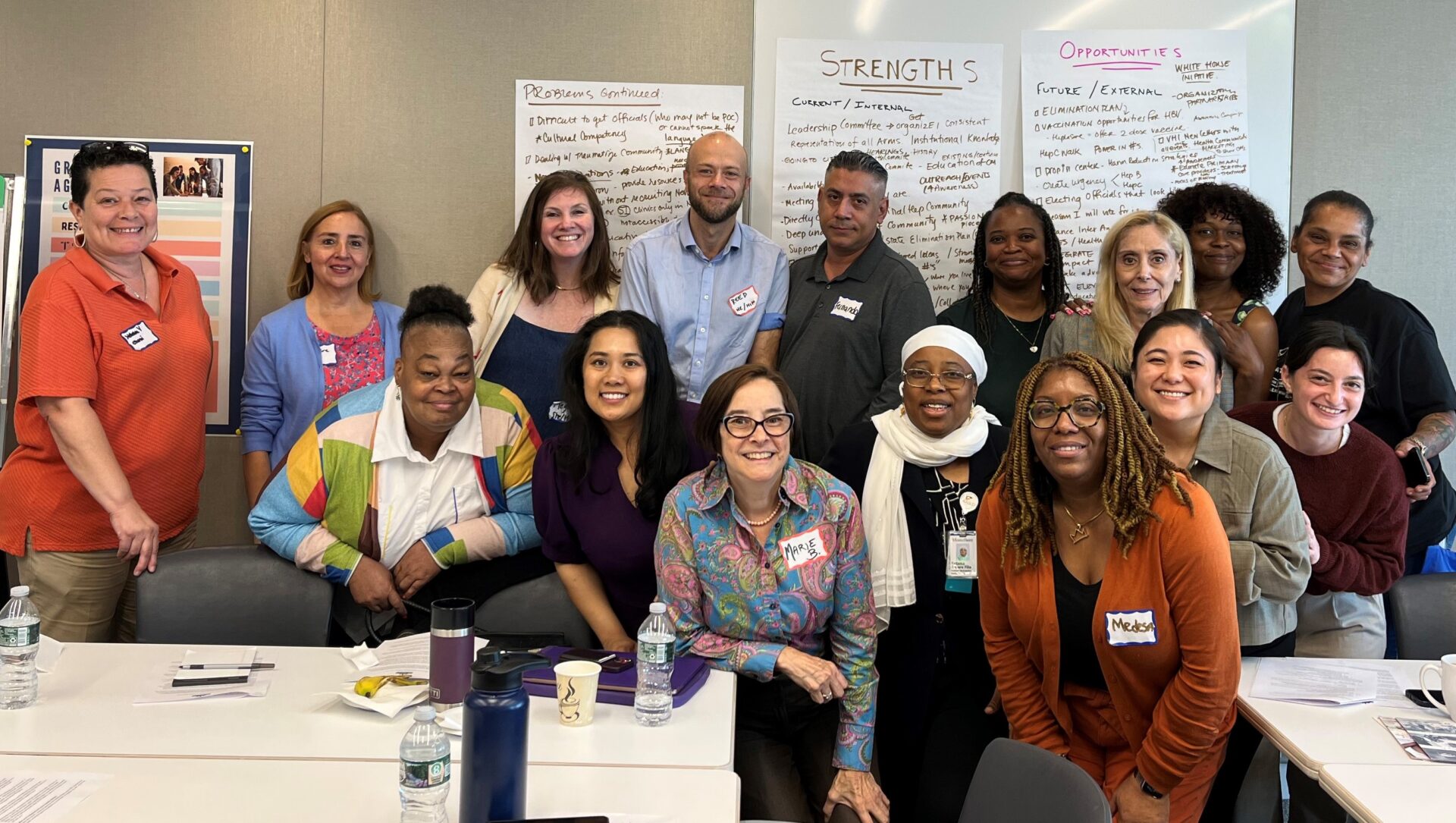
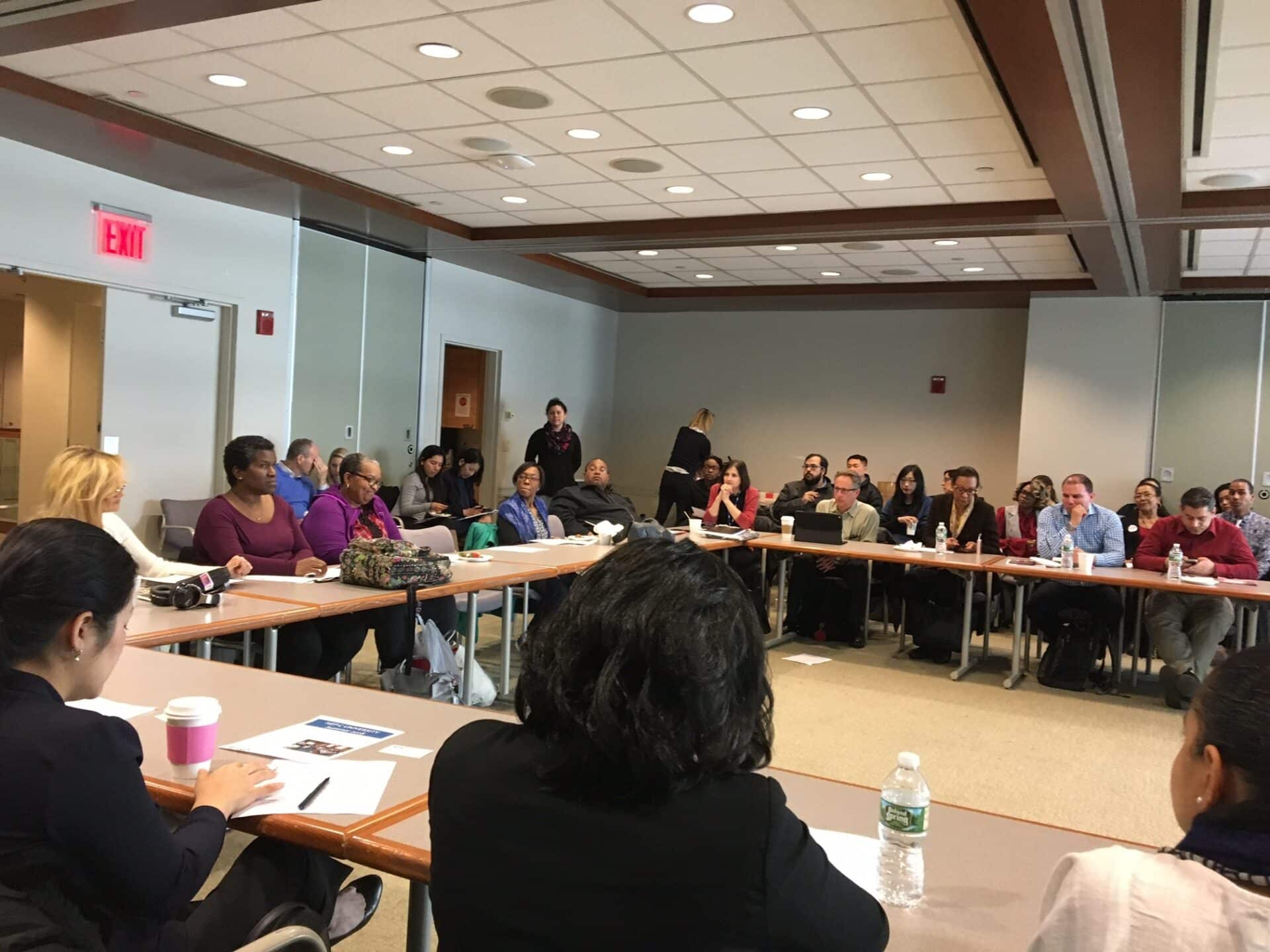
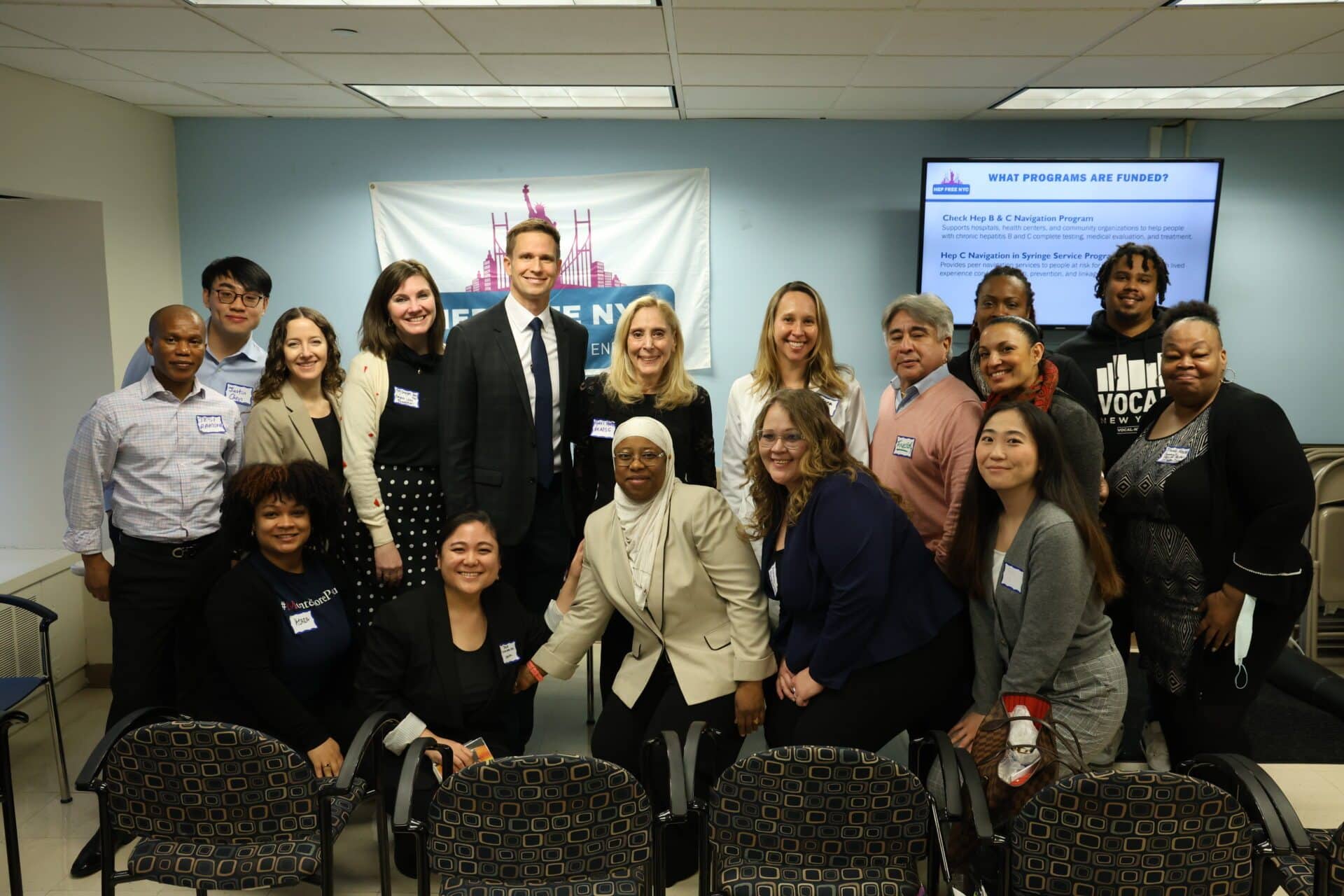
Hep Free NYC Committees operate to support the specific needs and strategic goals of the viral hepatitis community. Each committee has a primary focus that provides support and coordinates cooperation amongst coalition partners.

Committees Goals | Mission

In 2021, the NYC Health Department released the Plan to Eliminate Viral Hepatitis as a Major Public Health Threat in New York City by 2030 (PDF, opens in a new tab), a set of strategies to reduce Hep C infection, improve the health of people with Hep B and C, and reduce health inequities related to viral hepatitis infection in NYC.

An estimated 329,000 people are living with Hep B and/or C in NYC, according to the NYC Health Department’s 2022 Hep A, B, and C Annual Surveillance Report. Without care and treatment, people with Hep B or C may progress to serious liver disease, liver cancer, or premature death.

The NYC Viral Hepatitis Elimination Plan was developed with local Hep B and C advocates and stakeholders, and implementation of the plan will include quarterly community engagement and planning through the Hep Free NYC Coalition. Eliminating viral hepatitis in NYC is ambitious, but with effective interventions, sufficient resources, and broad stakeholder commitment, it is possible.

NYC elimination goals

Goal 1:

Reduce new Hep C infections among people in NYC by 90% by 2030

Goal 1, page 5 of the plan (PDF, opens in a new tab)

Goal 2:

Reduce premature deaths among people with chronic Hep B and chronic Hep C in NYC by 65% by 2030, and improve their health

Goal 2, page 6 of the plan (PDF, opens in a new tab)

Goal 3:

Reduce health inequities related to viral hepatitis infection among people in NYC

Goal 3, page 7 of the plan (PDF, opens in a new tab)

How we get there

Progress to date

The NYC Health Department and Hep Free NYC community partners create annual workplans detailing the strategies to be implemented the following year, along with specific steps for implementation. The Health Department regularly assesses and reports on progress indicators at Hep Free NYC coalition meetings and other stakeholder forums.

Advocacy Timeline

September–November 2026

Learn about Hep Free NYC advocacy

NYC Council & State Legislature

Status: Happening now

Available Trainings

Resources

Hep Free NYC Advocacy Toolkit Advocacy Toolkit

The following lists the advocacy resources shared in this toolkit.

Hep Free NYC coalition resources

B the Change State Advocacy Call (Hep B Foundation)

Join Hep B Foundation every 2 months on the Fourth Tuesday at 3pm for a monthly call bringing together Hep B United partners, patients, providers, and other community advocates who are interested in or currently working on Hep B advocacy at the state level.

Hepatitis Appropriations Partnership (HAP) Monthly Meeting

The National Alliance of State & Territorial AIDS Directors (NASTAD) convenes the Hepatitis Appropriations Partnership (HAP), a national coalition based in Washington, D.C. that includes community-based organizations, public health and provider associations, national hepatitis and HIV organizations, and diagnostic, pharmaceutical, & biotechnology companies nationwide.

Hep B United Coalition Monthly Call

Hep B Foundation, in partnership with AAPCHO (Association of Asian Pacific Community Health Organizations), created and co-chairs Hep B United, a national coalition of 30+ member coalitions in 26 cities and 15 states, that are working to address Hep B in their local communities.